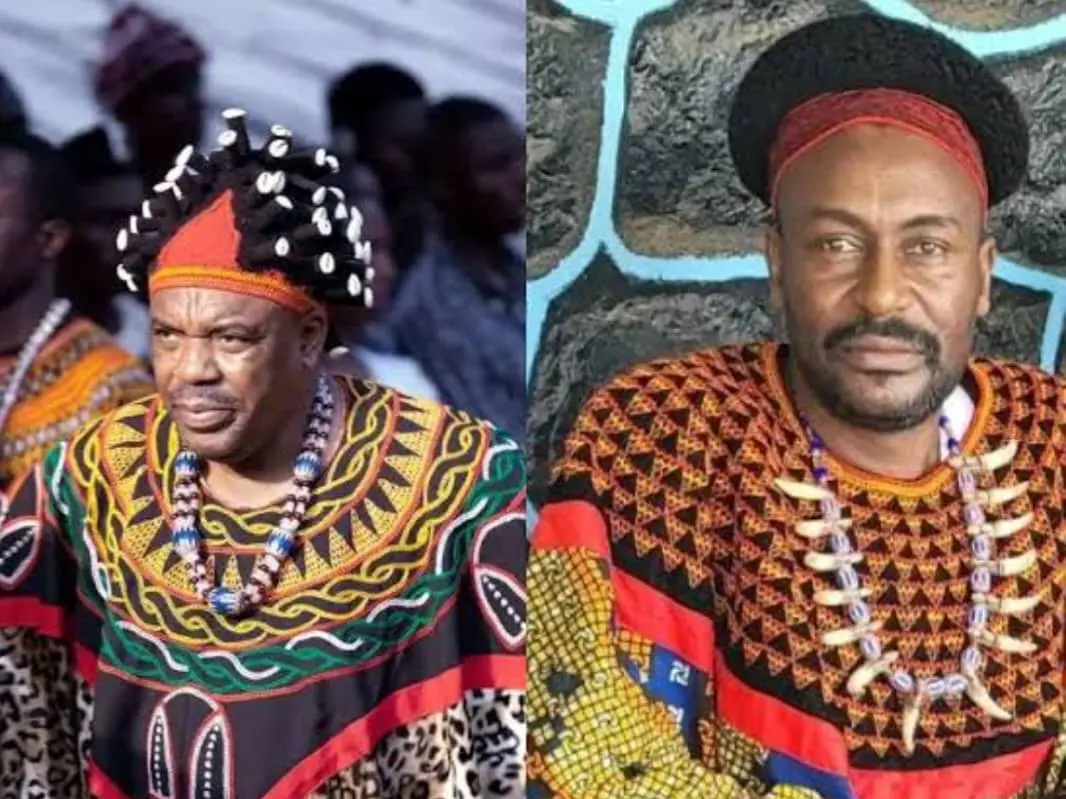
The Kedjom people (also known as the Kejom or Babanki) are a Grassfields Bantu ethnic group residing primarily in the Mezam Division of the North-West Region of Cameroon. The Kedjom trace their ancestry to the broader Tikar and related migration movements that settled the high-altitude Bamenda Grassfields starting centuries ago. Neighboring groups like the Bali Chamba and Bamum originally referred to them as "Banki," which eventually evolved into the name Babanki. Their preferred self-name is Kejom or Kedjom. They speak Gaʼa Kəjom(Babanki), a Central Ring Grassfields Bantu language divided into two mutually intelligible languages.The Kedjom people are organized principally into two major centralized fondoms. That is ;
Kedjom Keku (Big Babanki): Located about 25 kilometers from Bamenda, it serves as a prominent second-class fondom traditionally governed by a sacred monarch (the Fon) and the Kwifon (a regulatory and judicial society).
Kedjom Ketinguh (Small Babanki / Babanki Tungo): Situated approximately 20 kilometers away in the Tubah Sub-division, it operates as a distinct traditional fondom with its own institutional and political structure.
Around 1866, the unified Kedjom community split into Kedjom Keku and Kedjom Ketinguh following a dynastic and cultural dispute regarding a royal funeral. The Fon and Traditional Institutions: Political and spiritual authority rests with the Fon, who acts as the custodian of culture, tradition, and ancestral continuity, supported by senior titleholders and secret societies. Society is stratified into distinct lineages and traditional councils, with separate male and female institutions historically cooperating to manage community peace and conflict.